Bouldering Wall Design & Setup

Bouldering Wall Design & Setup

Rope-free, low-height climbing systems focused on technique, problem-solving, and movement. Designed for gyms, schools, resorts, urban entertainment centres, and residential communities. Built to EN 12572 structural and safety standards. Installed across India since 2019.

Last updated: August 2026

What It Is & Why It Matters

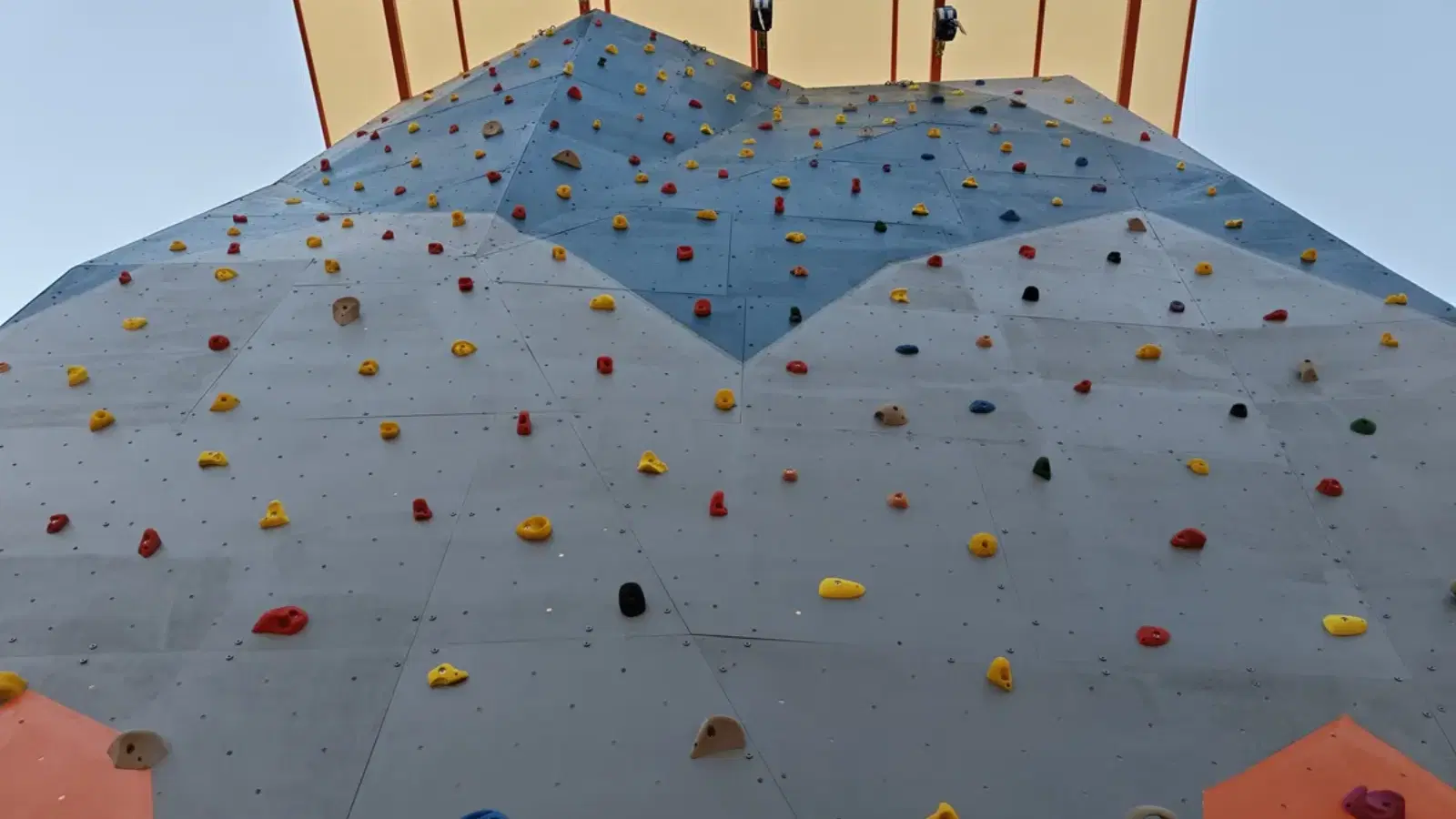
A bouldering wall is a low-height climbing system focused on technique, problem-solving, and movement rather than vertical height. It eliminates the need for ropes, relying on controlled fall zones and matting.

It matters because bouldering delivers high engagement with minimal equipment complexity, making it especially suitable for urban locations, indoor facilities, and beginner-friendly environments.

OXO Bouldering Walls — By the Numbers

30 ft × 9 ft
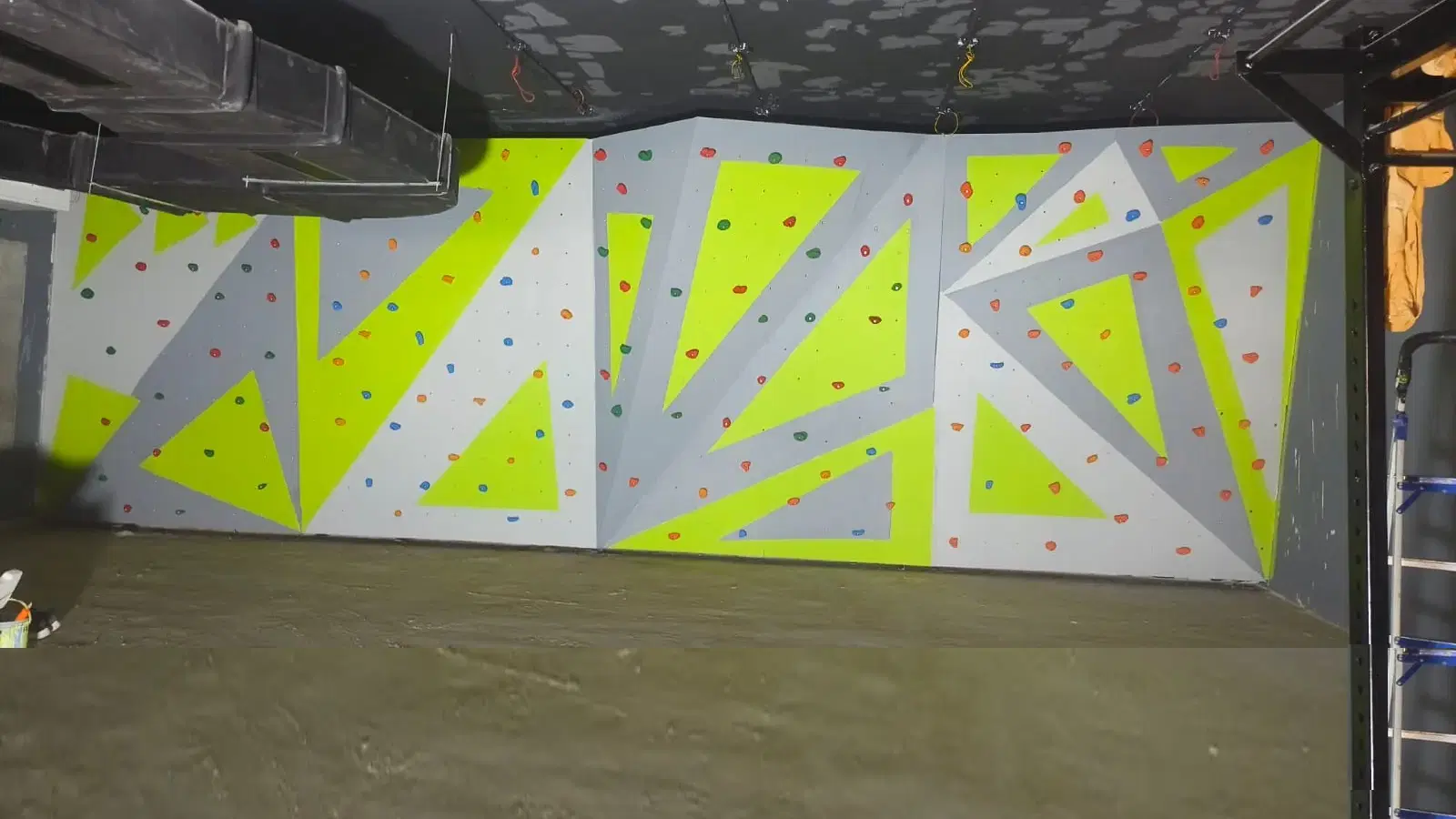
Bouldering-cum-traverse wall at Fitkits Gym, Chennai.
EN 12572
Designed to European bouldering-wall standards.
85+ project sites · 300+ activities
OXO Planet's track record across 85+ project sites in 25 states & UTs, India and Nepal.

Key Business Outcomes

  • Fast participant turnover with minimal setup time
  • Lower operational complexity compared to roped climbing
  • Strong appeal among youth and fitness-focused users
  • Compact footprint suitable for indoor and urban sites
  • Easy route changes to encourage repeat visits
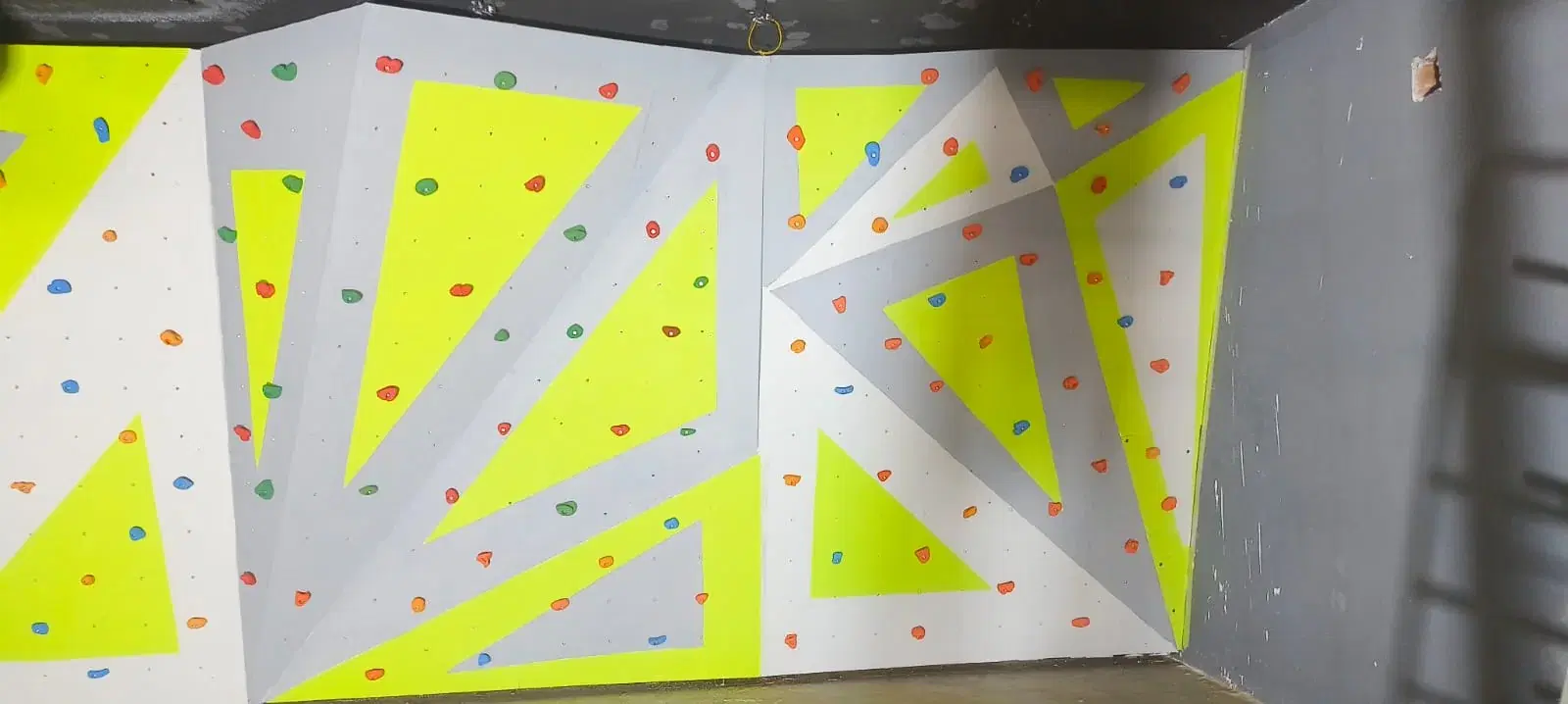
Bouldering Wall

Where This Works Best?

Urban Indoor Facilities
Compact climbing zones without rope systems
Youth & Fitness Centres
Technique-focused movement environments
Beginner Training Spaces
Low-height, approachable climbing formats
Mixed-Use Developments
Casual climbing attractions with repeat use

Types & Configurations

Standard Bouldering Wall
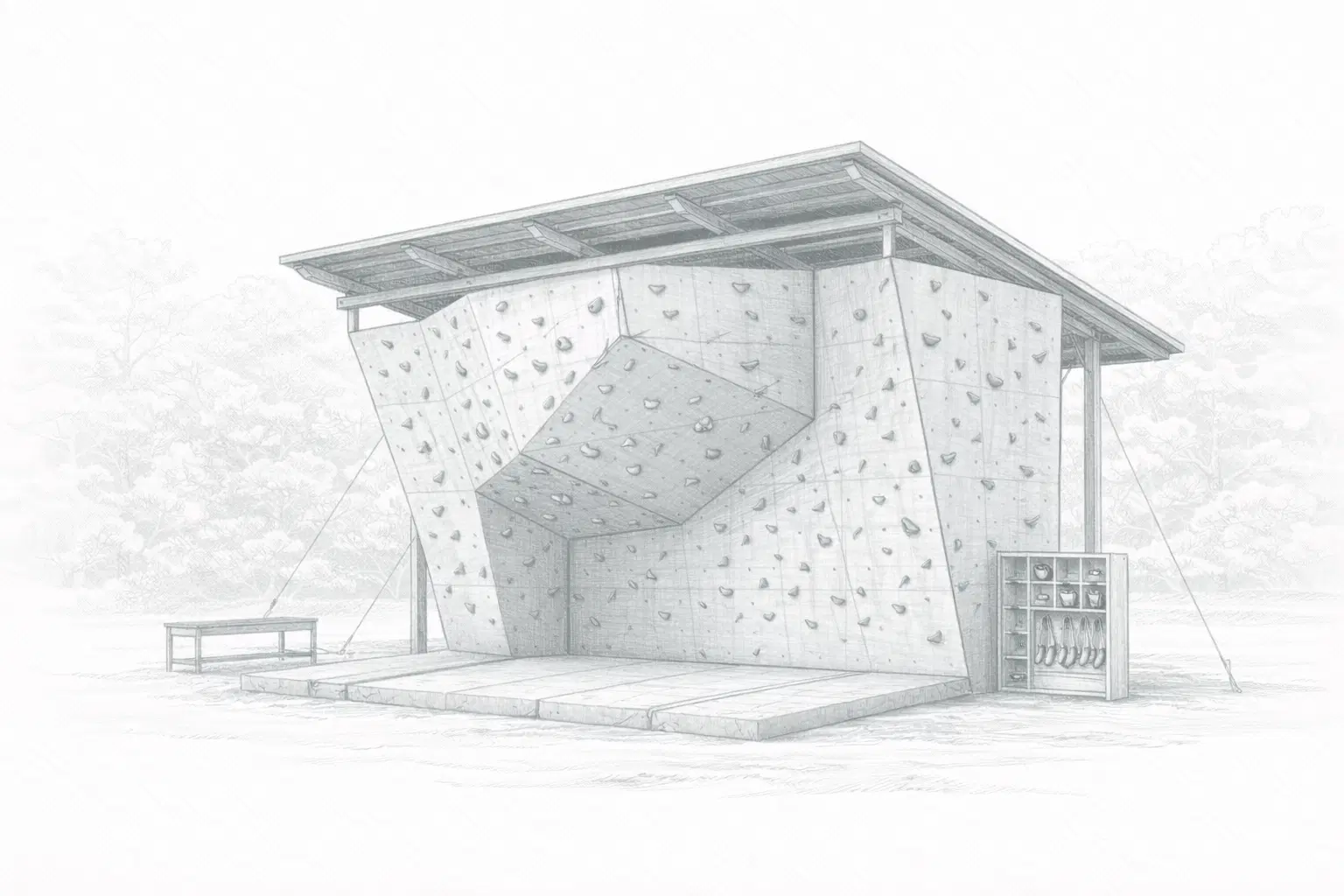
Freestanding or wall-mounted structure typically 3.5–4.5m high with varied angles — vertical, overhang, and slab sections. The most common format for gyms, schools, and resorts. Routes are set using coloured holds and reset periodically to maintain engagement.
Traverse Wall (Horizontal Bouldering)
Low-height wall (typically 2– 3 m) designed for lateral movement rather than vertical ascent. Ideal for functional fitness, school programmes, and space-constrained environments. No crash mat depth requirement is as high as vertical bouldering. Used in gym warm-up zones and school PE facilities.
Competition / Kilter-Style Bouldering Wall
Steep, adjustable-angle wall sections (90°–145° overhang) designed for advanced problems and competition formats. Features moonboard-style LED hold systems or adjustable panel rigs. Suited for climbing gyms seeking a performance and competition identity.
Portable / Modular Bouldering Wall
Flat-pack modular panels designed for temporary or relocatable setups — used for brand activations, college campuses, event installations, and phased facility buildouts. Panels bolt together on-site and can be disassembled and moved as needed.

Engineering & Core Components

Bouldering Wall
Low-Height Structural Design
Bouldering wall frames are engineered in structural steel or aluminium to carry dynamic climbing loads per EN 12572-1 specifications. Wall heights are typically set between 3.5–4.5m with base footings designed for freestanding stability or wall-anchored configurations depending on site conditions.
Surface Contouring & Panel System
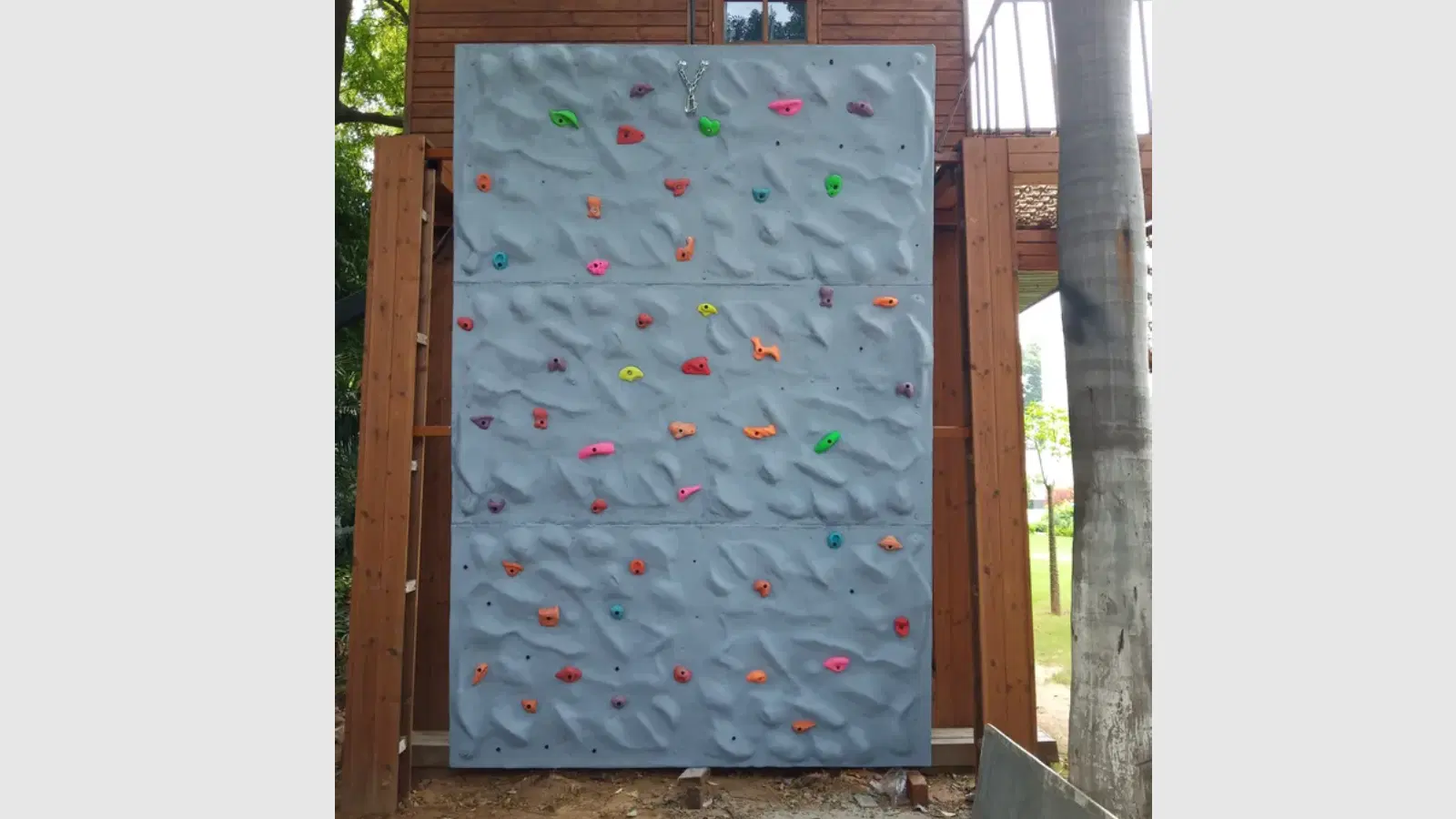
Panels are fabricated from 15–18mm HDPE or glass-fibre reinforced plastic (GRP) with embedded T-nut grids at standard 20cm spacing. Panel angles range from vertical (90°) to steep overhangs (up to 145°) to create varied movement challenges. Textured surfaces provide grip without requiring chalk on lower-difficulty routes.
Impact Zone & Crash Mat Engineering
Landing zones are engineered with EN 12572-3 compliant crash matting — minimum 300mm compressed depth — covering the full fall zone beneath and in front of the wall. Mat density, coverage area, and edge treatment are specified per wall height and overhang projection to ensure safe unassisted falls at all grades.
Route Flexibility & Hold System
T-nut grids embedded across all panel surfaces allow holds to be placed, rotated, and removed without drilling or panel replacement. Standard installations include 150–300 holds across difficulty grades (beginner to advanced), with route-setting as part of ongoing operations. Route resets typically occur every 4–8 weeks to maintain user engagement.

Safety as a System

Low-Height Design Philosophy
Wall heights are fixed between 3.5–4.5m — the engineered safe fall height for rope-free climbing with compliant matting. This eliminates the need for belay systems while keeping fall forces within safe limits per EN 12572-3 impact absorption requirements.
Impact Zone Maintenance
Crash mats are inspected daily for compression, tears, and displacement. Mat density is checked monthly to confirm EN 12572-3 compliance. Mats must not be compressed below the minimum 300mm depth threshold under load — replacement intervals are scheduled proactively based on usage volume.
Route Visibility & Flow Control
Route colour-coding using the Fontainebleau grading scale (V0 through V8+) ensures climbers self-select appropriate difficulty levels. Wall layouts are designed with clear visual separation between routes and defined landing zones, reducing mid-route congestion and uncontrolled fall risk.
Active Supervision Control
Supervisors enforce one-climber-per-problem rules during peak hours, monitor mat displacement in real time, and conduct participant briefings before first climbs. Staff are trained in basic first aid and fall response. For schools and children's facilities, a minimum supervisor-to-climber ratio of 1:8 is recommended.
Projects We've Delivered
Implemented across adventure parks, resorts, and institutional recreation projects in India.

Indicative Bouldering Wall Installation Cost in India (2026)

  • Compact bouldering wall₹12–25 lakh
  • Advanced terrain wall₹25–50 lakh
  • Surface geometry and hold density drive cost — more overhangs, volumes and route-setting raise both fabrication and price.
  • Panel material matters — plywood is most economical, FRP mid-range, and GRP/fibreglass competition-grade the highest.
  • Bouldering walls are low (typically 3–4.5 m) and rope-free, so cost comes from the wall and the crash matting rather than belay systems.
  • Crash-mat area and flooring are a real cost line — larger fall zones and premium matting add to the price.
  • GST extra; civil/foundation work and site development are quoted separately, and the final price follows a site assessment.
Planning a Bouldering Wall? Let's Talk.
Send us your wall size and whether it's for a gym, school or park — we'll advise on panel type, holds and crash matting and share an indicative quote.

Where We've Built Bouldering Walls

OXO Planet installs bouldering and traverse climbing walls across gyms, schools, residential communities and brand-activation events in India.

Featured Projects

  • Fitkits Gym, Chennai — a 10 ft × 32 ft traverse climbing wall for functional-fitness training.
  • Ambuja Neotia, Kolkata — a combined climbing and bouldering wall for a premium residential society.
  • Kodaikanal International School, Kodaikanal — a 12 ft × 30 ft bouldering wall for one of India's oldest international schools.
  • Mountain Dew — traverse climbing walls across 20 colleges in 5 states, Delhi and Chandigarh for a nationwide brand activation.

“Oxo Planet delivered the bouldering wall at Empowerise Studio, Chennai, with impressive professionalism and speed. Their team was responsive, cooperative, and always ready to help throughout the process. We appreciate the quality of execution and their commitment to completing the work smoothly.”
Hemlatha S., M/S Empowerise Studio, Chennai

FAQs on Bouldering Wall Setup

How much does a bouldering wall cost in India?
A compact bouldering wall is about ₹12–25 lakh and an advanced terrain wall ₹25–50 lakh, depending on surface geometry, panel material and crash-mat area. GST and civil work are extra, and the final price follows a site assessment.
How much space is required to install a bouldering wall in India?

A standard bouldering wall requires a minimum floor area of 4m deep × wall width, plus 2–3m of clear circulation space in front of the crash mat zone. A compact single-bay wall (3.5m high × 4m wide) needs roughly 30–35 sq.m of usable floor area including the safety zone. Larger multi-bay installations or competition walls require proportionally more space. Ceiling clearance must exceed wall height by at least 0.5m to accommodate dynamic movement and safety margin.

Can a bouldering wall be installed indoors, outdoors, or both?

Bouldering walls can be installed both indoors and outdoors. Indoor installations are preferred for year-round operation, consistent grip conditions, and controlled environments — particularly for gyms, schools, and malls. Outdoor bouldering walls use weather-resistant GRP panels, UV-stable hold sets, and drainage-integrated base designs. In India's monsoon conditions, outdoor walls require protective overhangs or covered installation zones to prevent surface degradation and maintain safe grip.

What approvals or permissions are required for a bouldering wall in India?

Bouldering wall installations in India do not require a specific national licence. Structural additions to buildings may require local municipal approval. For schools and educational institutions, internal safety committee sign-off and insurance coverage are standard requirements. Installations in malls or commercial properties typically need NOC from the property management. Defence or government installations follow internal infrastructure approval processes. EN 12572 compliance documentation is increasingly requested by institutional buyers as part of procurement.

Is a bouldering wall safe for beginners and children?

When designed with appropriate height limits and supervised use, bouldering walls are safe for beginners and children. Safety depends on proper wall geometry, adequate EN 12572-3 compliant crash matting, routine inspections, and active supervision. For children under 12, wall heights are typically capped at 2.5–3m with softer mat configurations. Route difficulty grading (V0–V2) ensures age-appropriate entry-level problems are always available.

Can bouldering walls operate year-round in Indian conditions?

Indoor bouldering walls operate year-round without weather-related interruption. Outdoor bouldering walls may require operational pauses during heavy monsoon rain or extreme heat, as wet panels affect grip and increase slip risk. Surface drainage, UV-stable hold materials, and covered installation designs can extend outdoor operational days significantly in Indian conditions.

What kind of maintenance does a bouldering wall require?

Bouldering wall maintenance includes daily crash mat checks (position, compression, damage), weekly hold tightening and inspection, monthly structural checks of panel fixings and frame connections, and periodic route resets every 4–8 weeks. Hold surfaces require cleaning to remove chalk and dust buildup. Panels are inspected annually for delamination or surface wear. EN 12572 recommends a formal annual inspection by a qualified person for all artificial climbing structures.

Who can operate and supervise a bouldering wall on a daily basis?

Bouldering walls are supervised by trained staff who handle participant briefing, safe movement guidance, mat monitoring, and basic emergency response. No belay certification is required for either staff or participants — this is a key operational advantage over roped walls. Staff should complete a basic climbing wall supervision course before operating. For high-footfall venues, a dedicated route-setter improves engagement through regular problem updates.

What footfall or capacity can a bouldering wall handle per hour?
A bouldering wall is used continuously without ropes, so 10–20 climbers can be on it at a time depending on wall size and the number of problems, with high turnover as climbers rotate through routes. The main drivers are wall area, matting footprint and supervision.
How much revenue can a bouldering wall generate?
A bouldering wall earns through pay-per-session, memberships, coaching and events, and for gyms, schools and cafés it adds a high-engagement draw with a compact footprint and low staffing. Actual returns depend on location, footfall and pricing — we can share indicative models during planning.
How long does it take to install a bouldering wall?
A bouldering wall usually installs in about 2–5 weeks, depending on wall size, the support structure and finish. The final schedule follows a site assessment.
What factors should be considered while planning a bouldering wall project in India?

Key planning factors include target user group and age range, wall height and overhang configuration, indoor versus outdoor location, crash mat specification (EN 12572-3 compliance), hold count and difficulty spread, route-setting capability, supervision staffing model, and long-term maintenance plan. Early decisions about whether to build a standard bouldering wall, traverse wall, or competition-format wall determine structural and spatial requirements and should be made before site planning begins.

Related Climbing & Vertical

More activities in Climbing & Vertical — engineered for safety, throughput, and long-term operations. Explore other systems in this category built by OXO Planet.
Contact Us

Let’s start the adventure

For project-level discussions, a brief call or WhatsApp conversation helps us understand your requirements faster and respond more accurately.

Say hello

Location

1st floor, C, 2/10, Block B, Mayapuri Industrial Area Phase II, Mayapuri, New Delhi, Delhi, 110064
We operate with a focused project team. For urgent queries, calling us ensures quicker response.