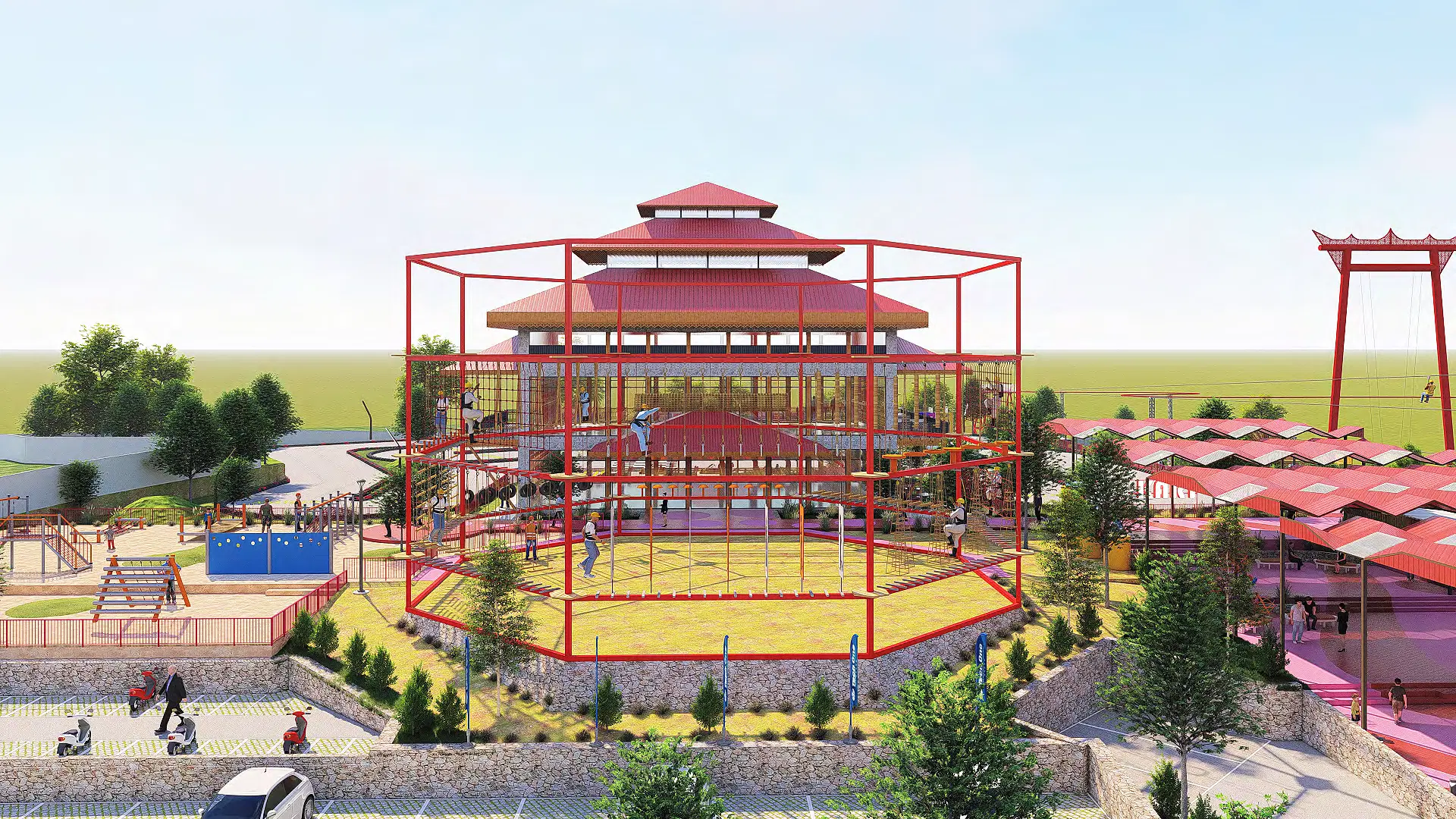
Choosing an Adventure Infrastructure Company in India
Evaluate five things, in this order: engineering credentials, the standards the company designs to, who certifies its structures, how installations are tested before handover, and whether its references can be verified at real sites. Price comes last — because the cheapest quote usually omits exactly these five items. This checklist explains what to ask for under each head, and what a credible answer looks like.
A zipline, climbing wall or ropes course is a fall-from-height safety product that the public rides every day. Unlike a building, it is loaded dynamically — moving riders, wind, repeated shock loads — and it is often installed on terrain a standard contractor never sees: slopes, riverbanks, high-rainfall or high-altitude sites. The gap between an engineered installation and a fabricated one is invisible on day one and decisive by year three.
Ask who produces the structural design and in what software, and whether the designer is a qualified structural engineer. A credible builder will show STAAD (or equivalent) models with wind and seismic load cases for your site, not a catalogue drawing. Ask specifically: what loading assumptions were used, and were they derived for this site or copied from the last one?
What engineering looks like in steel: the freestanding frame behind the 18 m × 16 m single-face wall at 9 Para, Udhampur — STAAD-modelled with wind and seismic load cases, delivered in a four-month build.
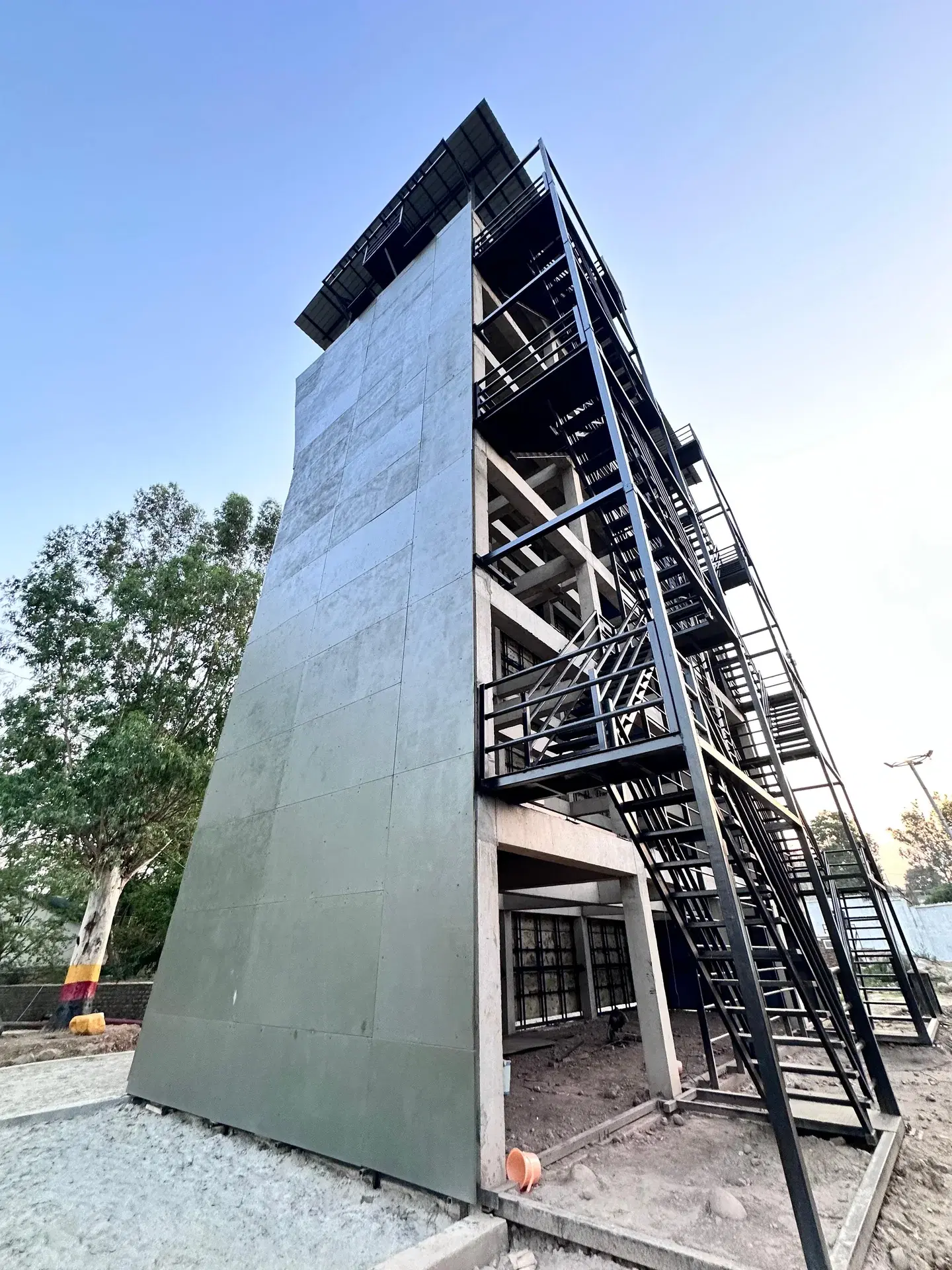
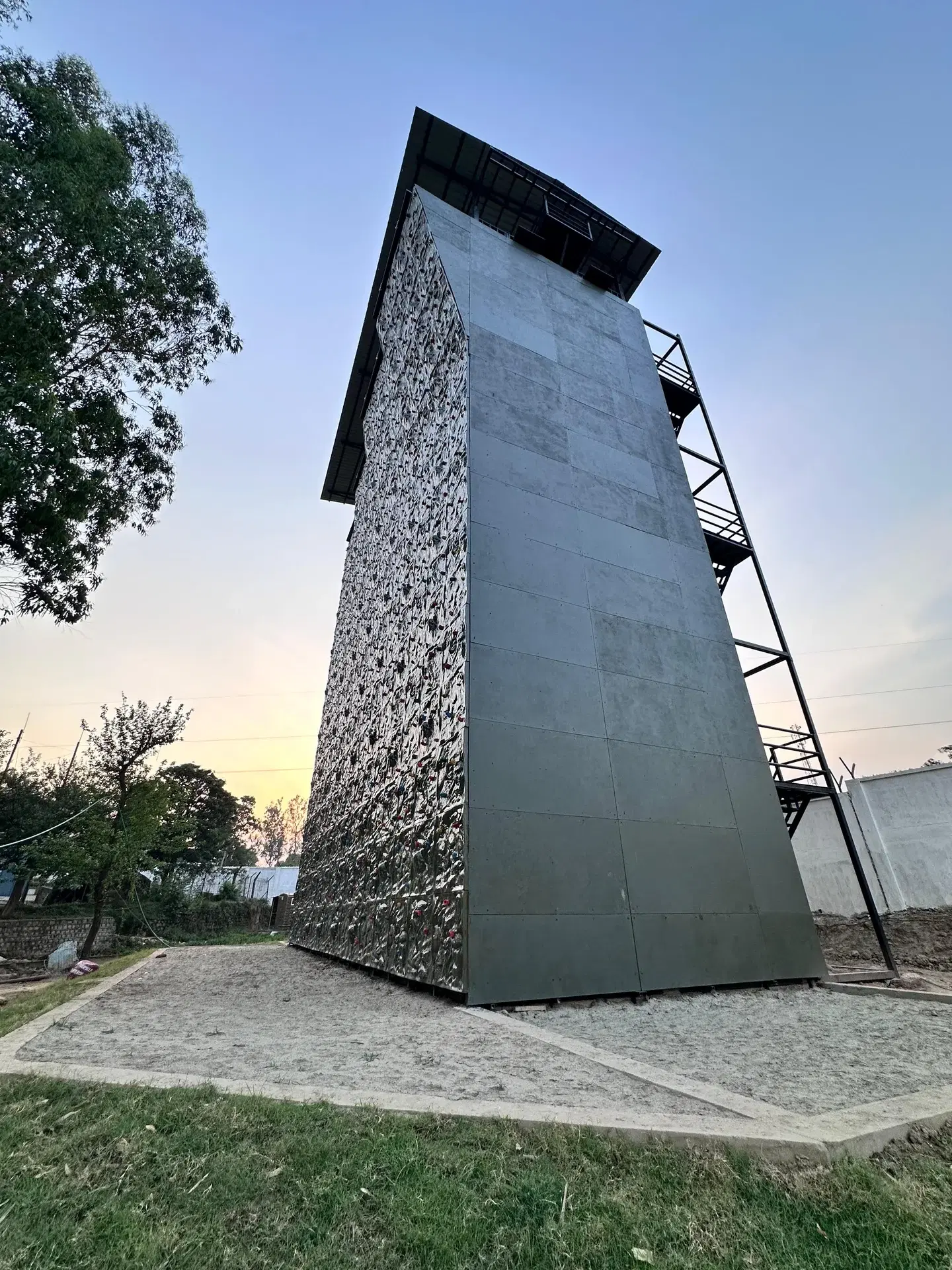
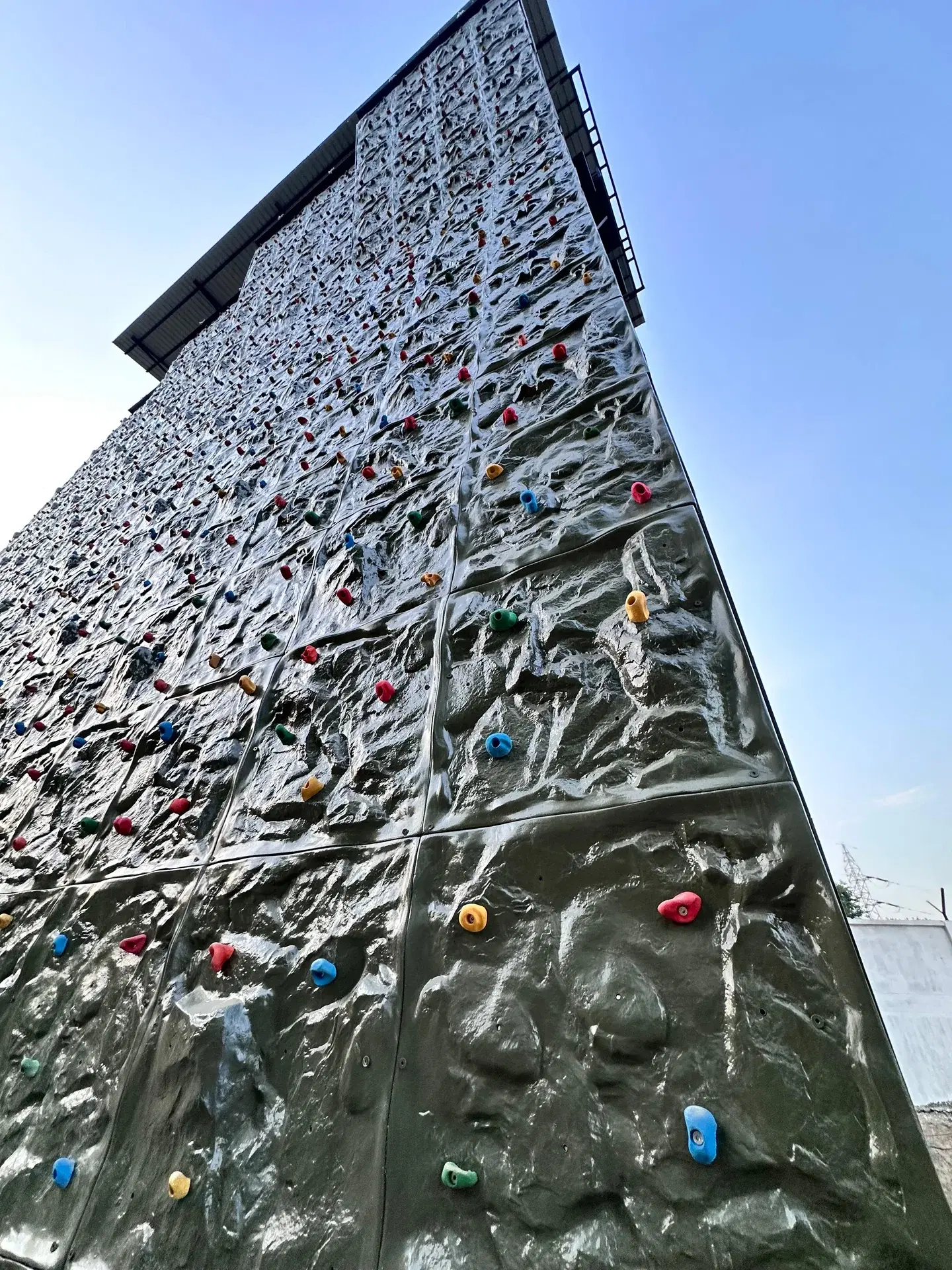
In India, structural steel should be designed to the applicable provisions of IS 800 and RCC foundations to IS 456. Activity-specific European standards apply on top: EN 12572 for artificial climbing structures and EN 15567-1 for ropes courses. A vendor who cannot name the standard for the activity you are buying has not designed to one.
The design and the certification should not come from the same desk. Ask whether structural designs are reviewed and certified by an external consultancy, and ask for the certifier’s name — you should be able to contact them. On OXO Planet projects, structural designs are independently certified (for example, by Inimitable Consultants Pvt. Ltd. on the Fong Fong Ma Adventure Zone in Tawang), and equipment ships with the original manufacturer’s test certificates.
Every installation should be commissioned against a project-specific load-test plan — not a generic sign-off. Ask what will be load-tested, to what factor, who witnesses it, and what documentation transfers at handover: operating procedures, staff training records, and a daily/periodic/annual inspection schedule. Government buyers should expect this file as a matter of course; private buyers should demand the same one.
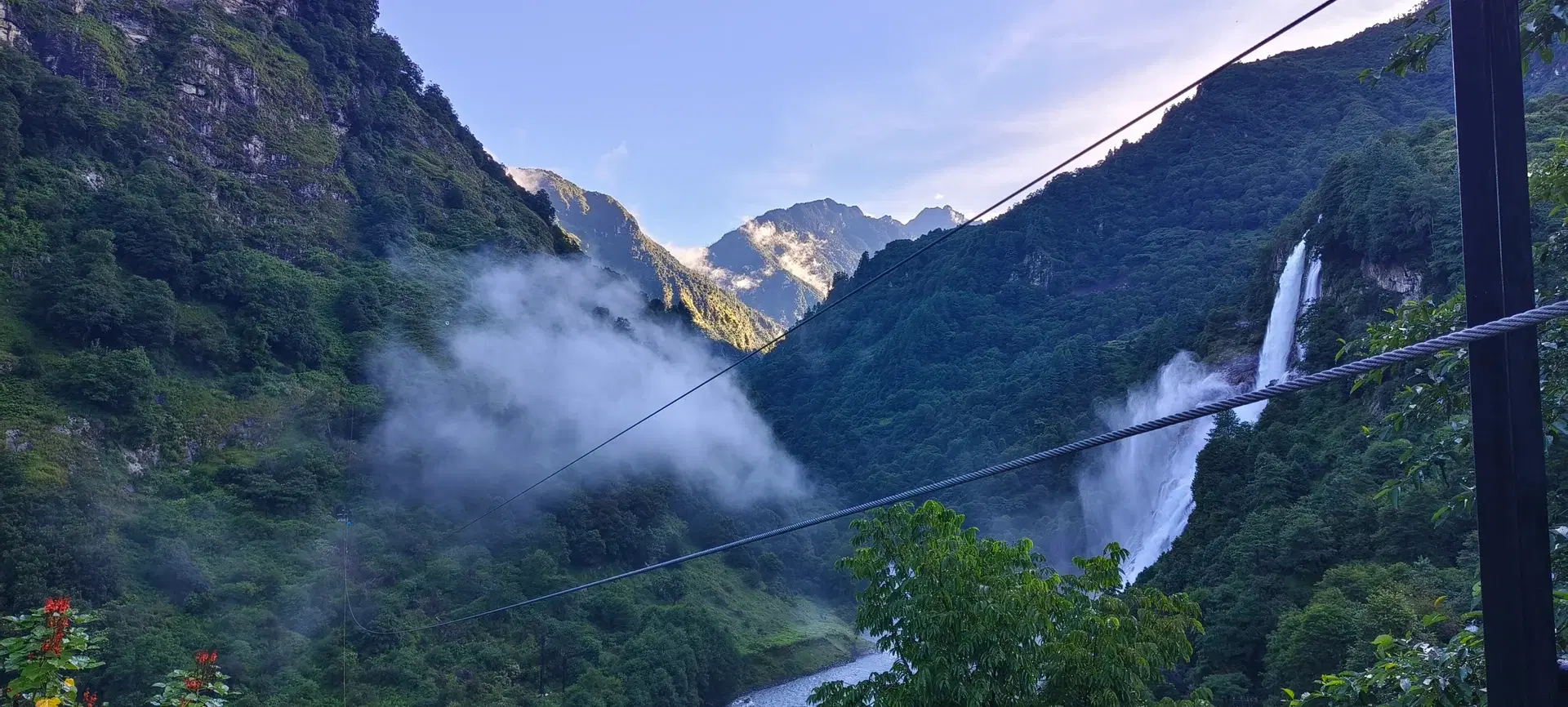
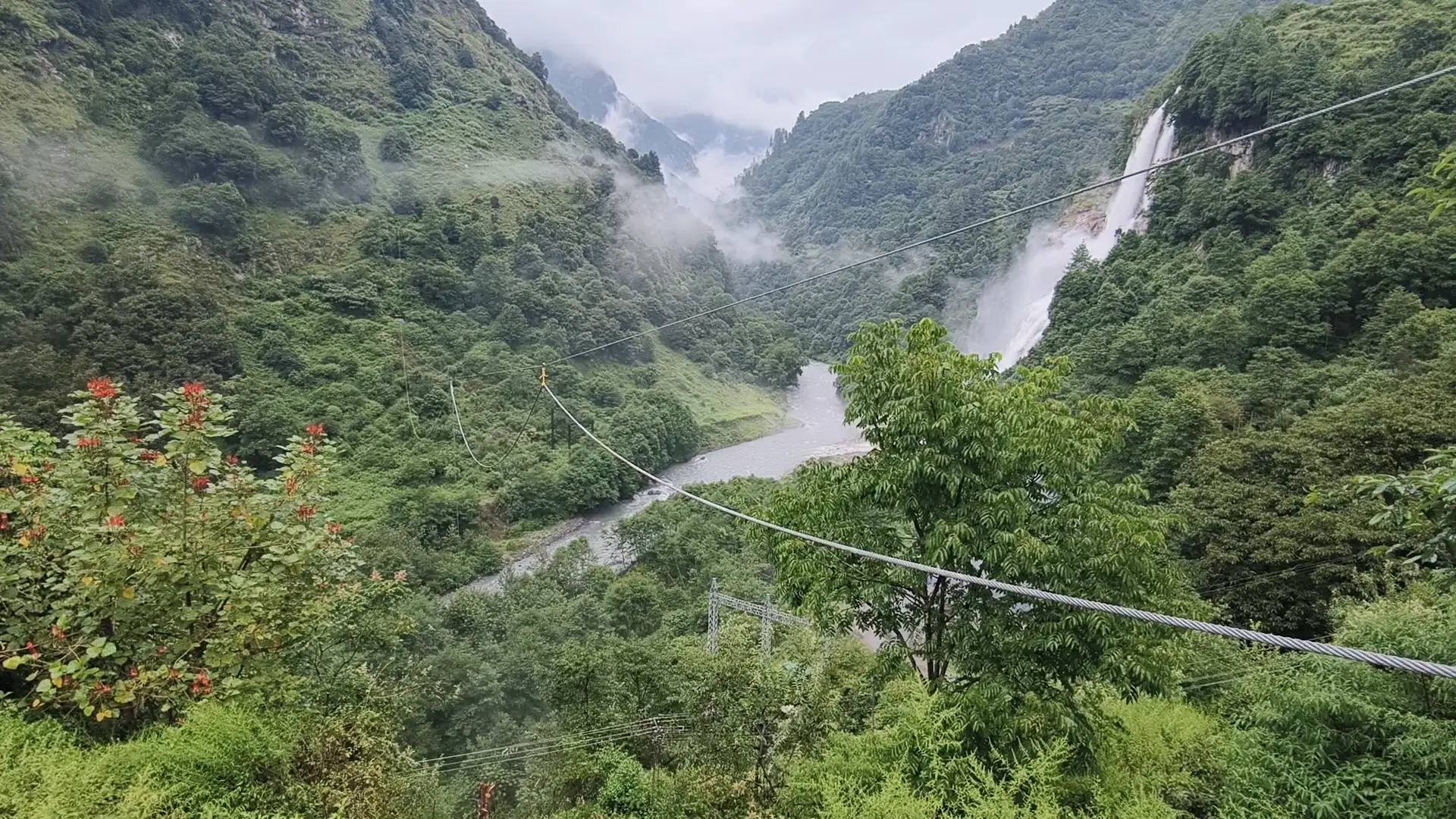
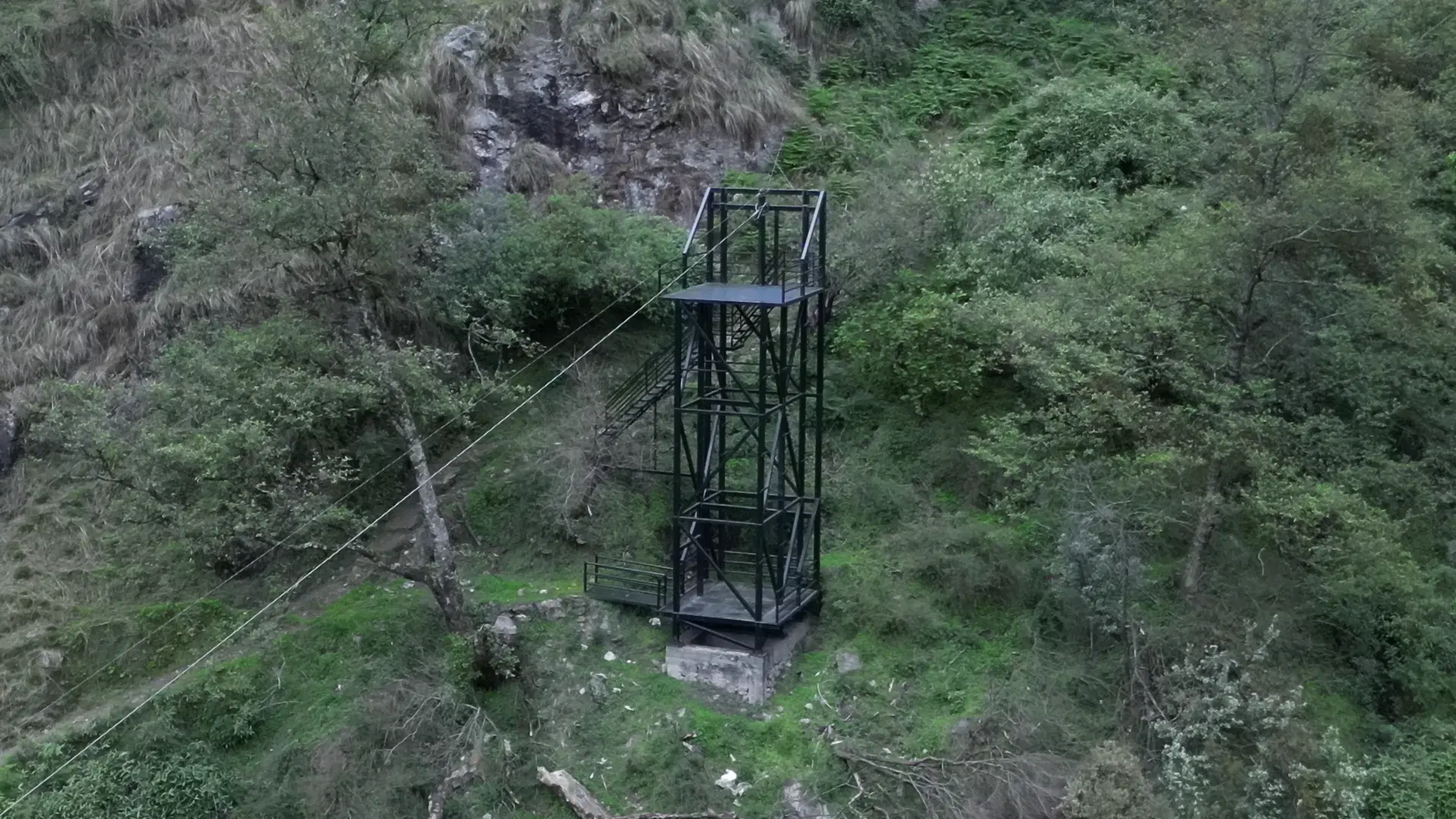
Ask for three references you can visit or call — ideally one in your own segment (resort, school, government, corporate). Independently reported projects carry extra weight: OXO Planet’s three-line zipline tour at Fong Fong Ma (Jang Falls), Tawang — 410 m, 390 m, 320 m plan span, 1,120 m combined, built for the Public Works Department, Jang Division — was inaugurated by the Chief Minister of Arunachal Pradesh, as covered by the Arunachal Observer.
Reference you can verify: Fong Fong Ma (Jang Falls), Tawang — three lines, 1,120 m combined, for PWD Jang Division. ▶ Watch the build film (1:39) · Read the full case study.
Three questions do most of the work. “Show me the load calculations for a project like mine” — a fabricator has none. “Who certifies your structural designs, and can I call them?” — an evasive answer here ends the conversation. “What does your handover file contain?” — if the answer is a warranty card rather than an inspection schedule and training records, the operating risk transfers to you on day one.
Normalise before comparing. A quote that excludes soil investigation, load testing, certified components or operator training is not cheaper — it is incomplete. Ask every bidder to price the same scope: design + certification + fabrication + installation + commissioning + training + handover documentation. On that basis, differences usually shrink to 10–20% — and the remaining gap is typically explained by steel sections, component brands and foundation sizing you can inspect line by line.
OXO Planet is the adventure infrastructure brand of Oxo Consultants Private Limited — India’s engineering-led adventure infrastructure company. Its founding team has worked in the adventure sector since 2009; the company was incorporated in its present form in 2019.
Contact Us
Let’s start the adventure
For project-level discussions, a brief call or WhatsApp conversation helps us understand your requirements faster and respond more accurately.